A native workspace.
Edit scenes, HUDs and prefabs. Use the Inspector, Undo/Redo, embedded Play and adjustable UI scaling.
Explore the editor → DEMIENGINEGAME ENGINE
Everything is free
Build with Lua. Shape scenes in the native editor. Keep the source in readable JSON. From 2D games to experimental 3D worlds you can break apart — with documentation that matches the engine.
The editor and command line work with the same project files. No hidden editor-only game state.
Edit scenes, HUDs and prefabs. Use the Inspector, Undo/Redo, embedded Play and adjustable UI scaling.
Explore the editor →Import the services you need. Add typed script properties and reuse packages for movement, combat, UI and networking.
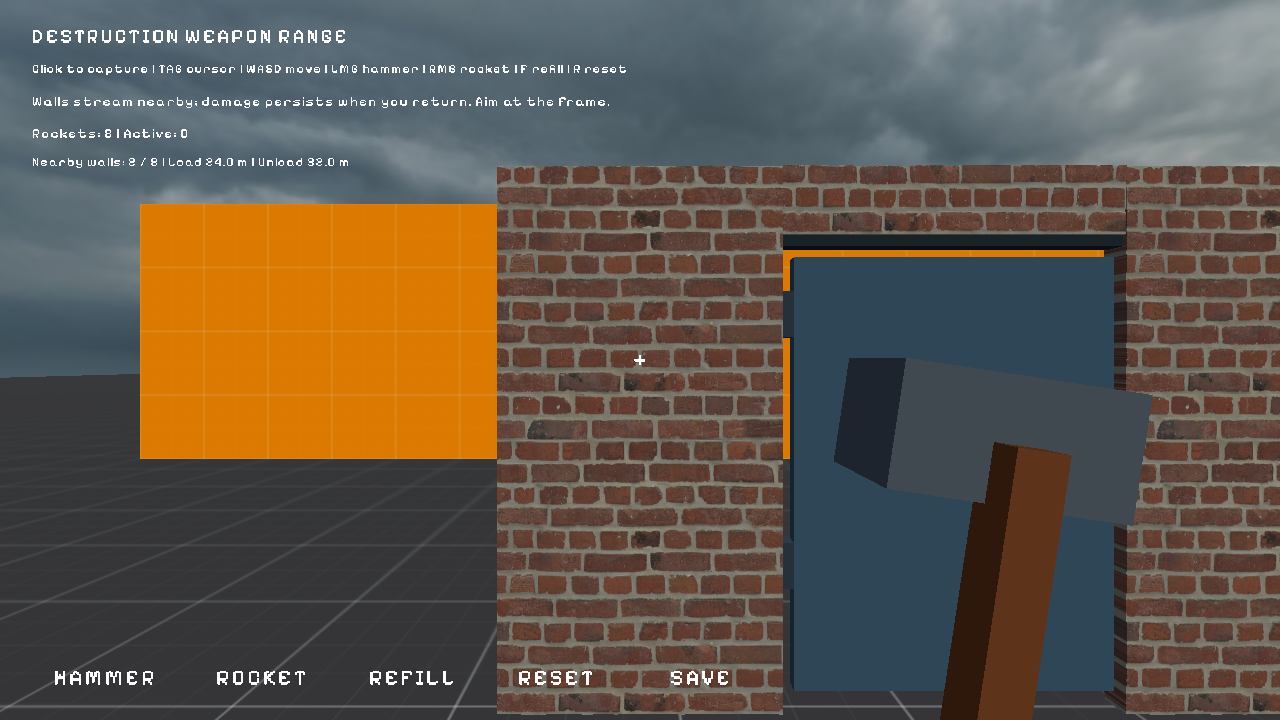
Read the Lua guide →Author ordinary prefabs with fracture components. Jolt handles rigid bodies; Blast handles connected fragments. No NVIDIA GPU required.
Build a destructible wall →Production-ready 2D and UI, lightweight experimental 3D, and the tooling to validate, test and ship on Linux and Android.
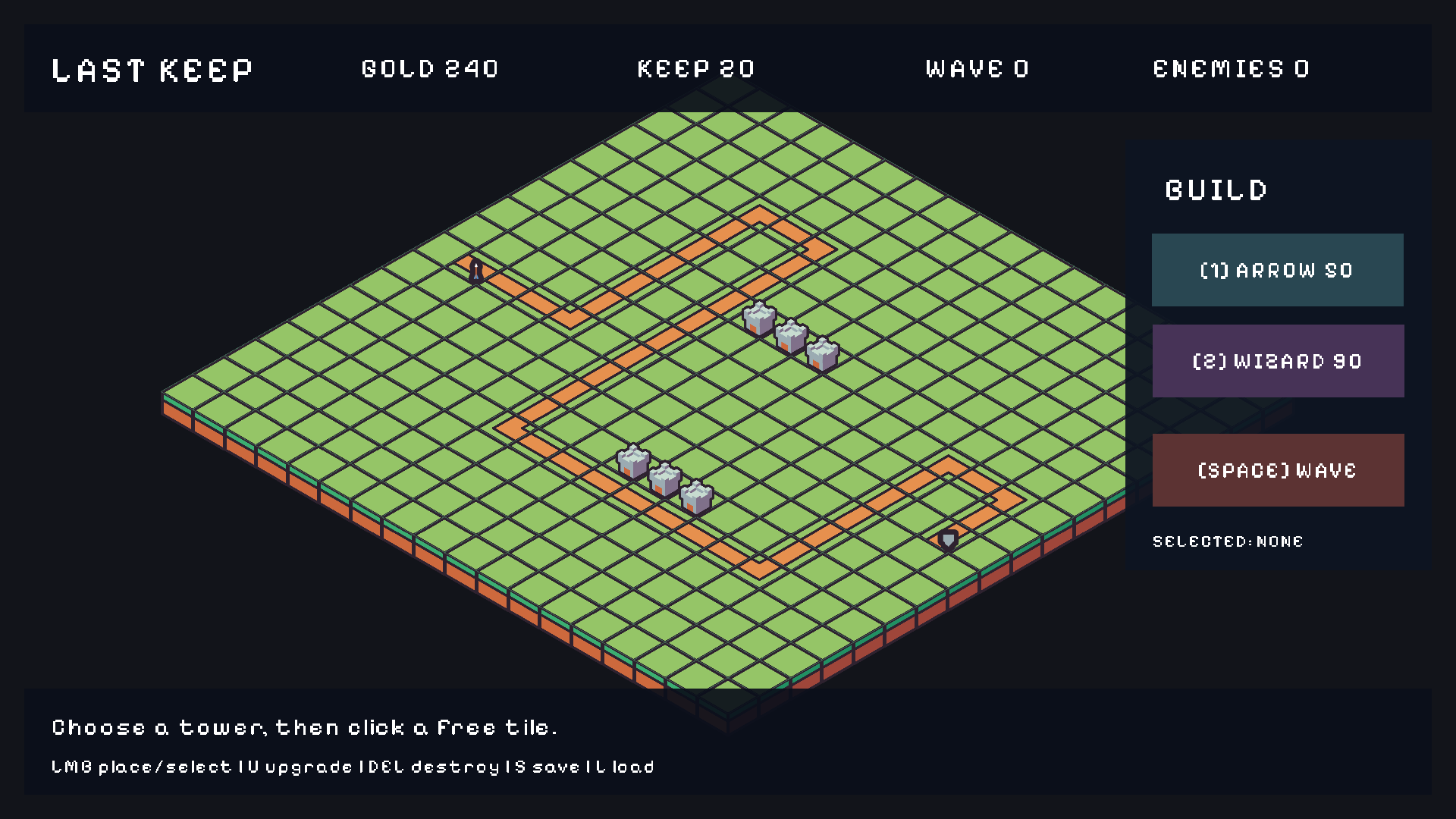
Sprites, sheets, tilemaps, cameras, materials, particles, masks, nine-slice and isometric placement with depth sorting.
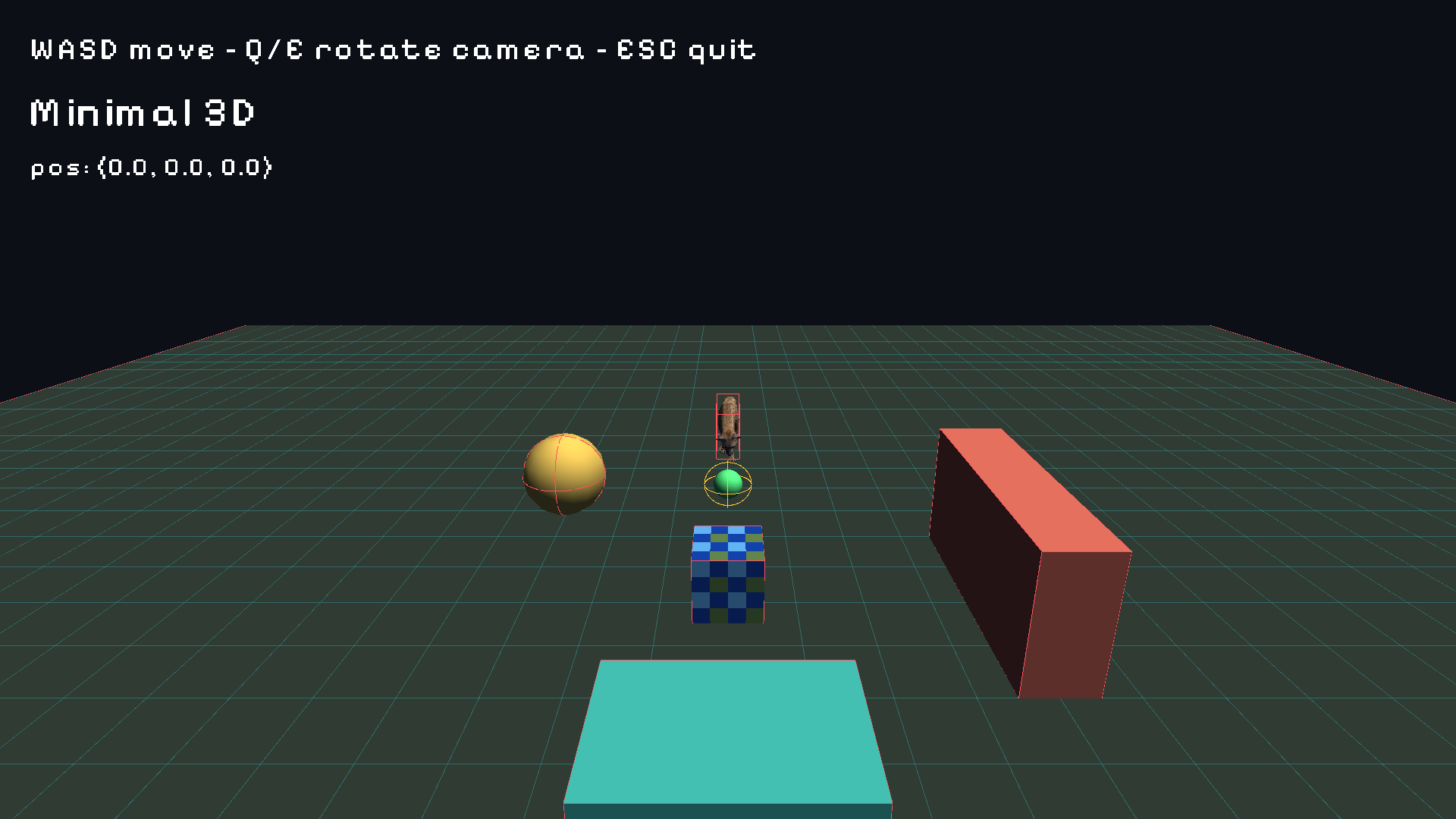
2D guide →glTF models, GPU skinning, instancing, LOD, lights, panorama skies, denting and localized Blast destruction.
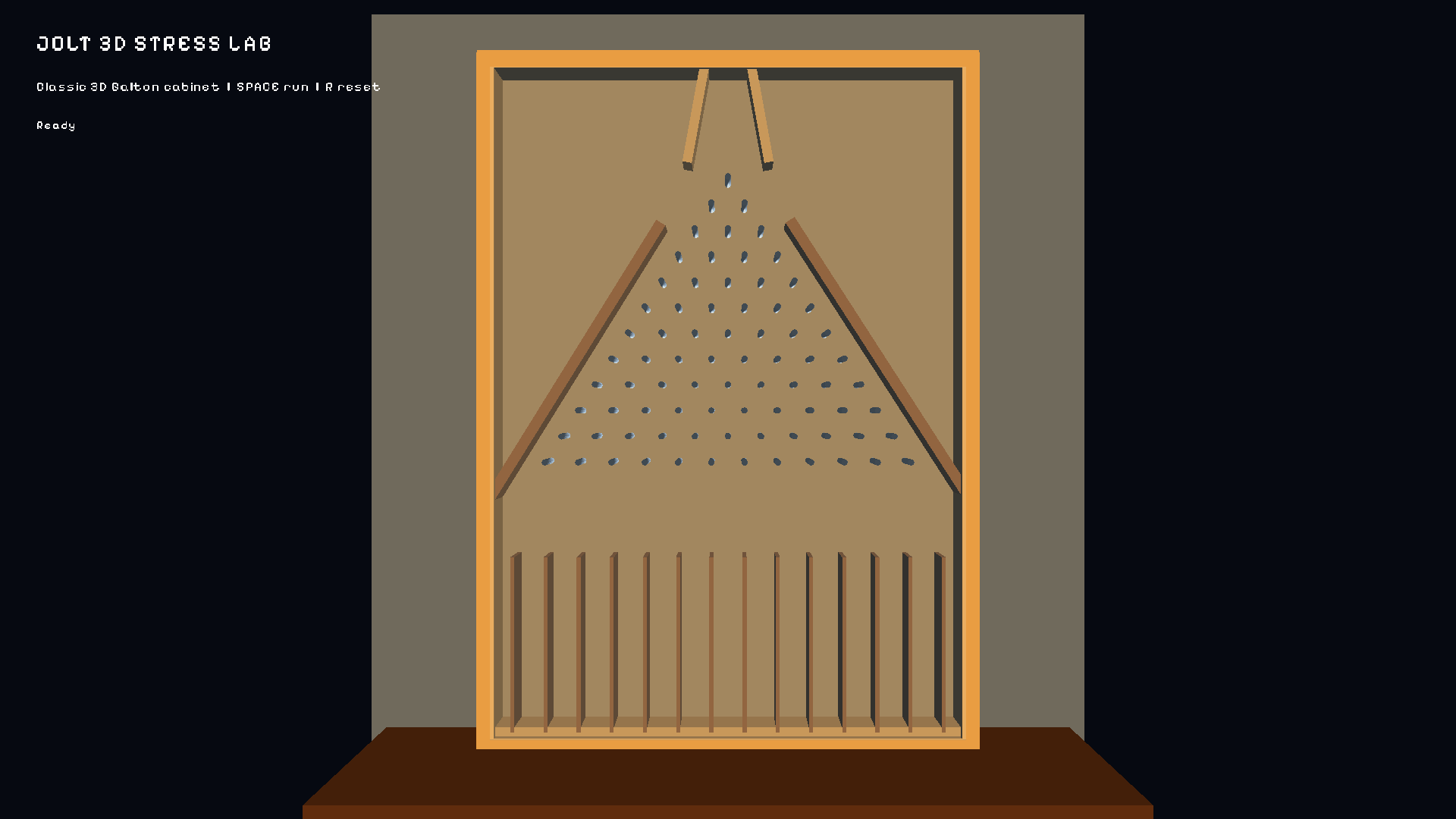
3D guide →Box2D and Jolt bodies, authored collider shapes, joints, CCD, kinematic movement, queries and contact events.
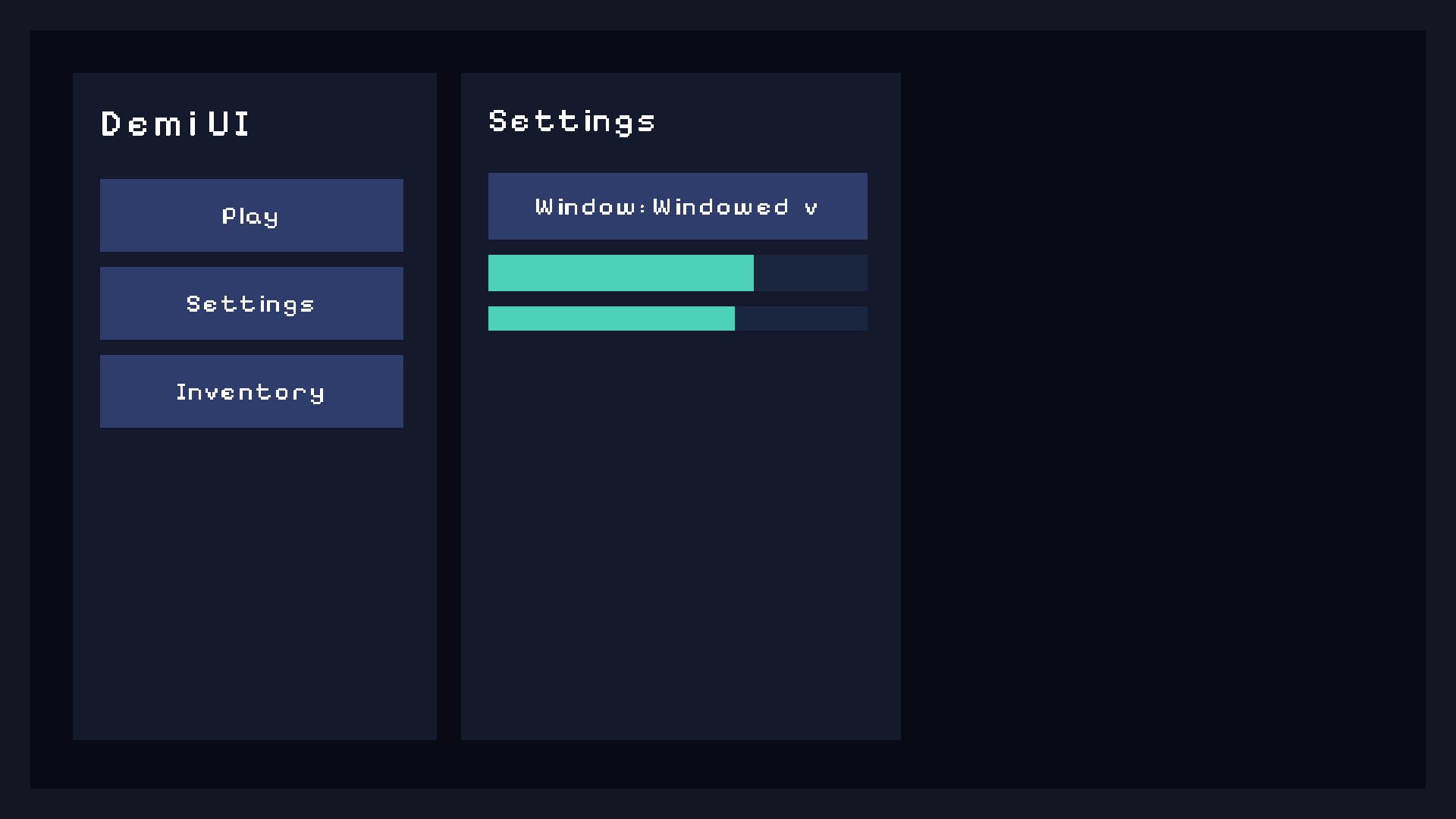
Physics guide →Retained trees, layout containers, themes, localization, UI prefabs, text editing, virtualization and accessibility.
UI guide →Contextual actions for keyboard, mouse, gamepads, touch and virtual controls, plus deterministic replay.
Input guide →State machines, blend spaces, timed events, two-bone IK, buses, snapshots, streaming and spatial voices.
Animation & audio →Deterministic importers, addressable groups with budgets, cooking, portable packs and schema-backed game data.
Assets guide →Host-authoritative sessions with contracts and ownership, optional prediction, TLS and async REST calls.
Networking guide →Native scene/HUD/prefab workspace sharing loaders and diagnostics with a complete authoring and packaging CLI.
CLI reference →E2E scripts through the real runtime, input replay, profiler CSV reports, debug overlays and save migrations.
Testing guide →Cooked Linux bundles and Android APK/AAB builds with capability gates, content audits and transactional packaging.
Shipping guide →Gameplay modules and assets — health, projectiles, inventory, encounters, third-person, Kenney textures and more.
Browse packages →Every shot below is a checked-in example project running under demi run — the same projects you get with demi new.
The animation example can show 1,024 or 2,000 independently animated characters. Repeatable probes cover barrels, collisions and mixed workloads too.
Run the crowd demo →Recorded desktop reference: 1080p, Vulkan, RTX 3070 Ti Laptop, Release build. Frame time p95: 15.34 ms.
A scoped animation workload, not 2,000 AI agents or a universal FPS promise. Results vary with hardware and scene complexity.
Hardware, settings & qualification results ↗Free code and assets, installed into your project. Versions stay in the lockfile; the game never contacts a registry.
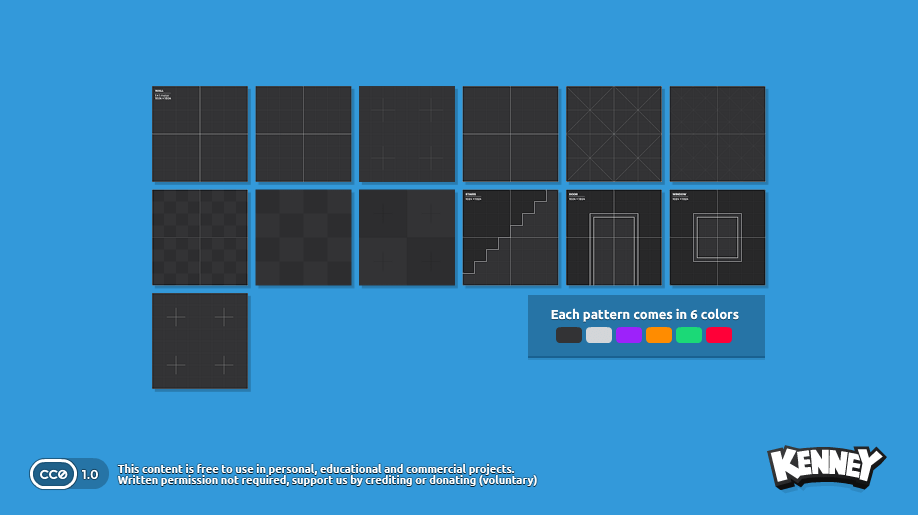
78 textures. Six colors. Ready-to-select asset IDs, with no manual importing.
See the textures →Hammer timing, swept rockets, native impact adapters and proximity-based destruction streaming. Use the current development engine for these experimental APIs.
demi package add demi.gameplay.destruction@1.0.0Established 2D, isometric and UI workflows. Experimental 3D GPU skinning, Jolt physics, localized destruction, mesh denting and panorama backgrounds. Android support is qualified per feature and device.
HDR and tone mapping, metallic/roughness PBR, environment reflections and local reflection probes. Structural stress, large-world workflows and broader production qualification remain open.
Follow the roadmap →